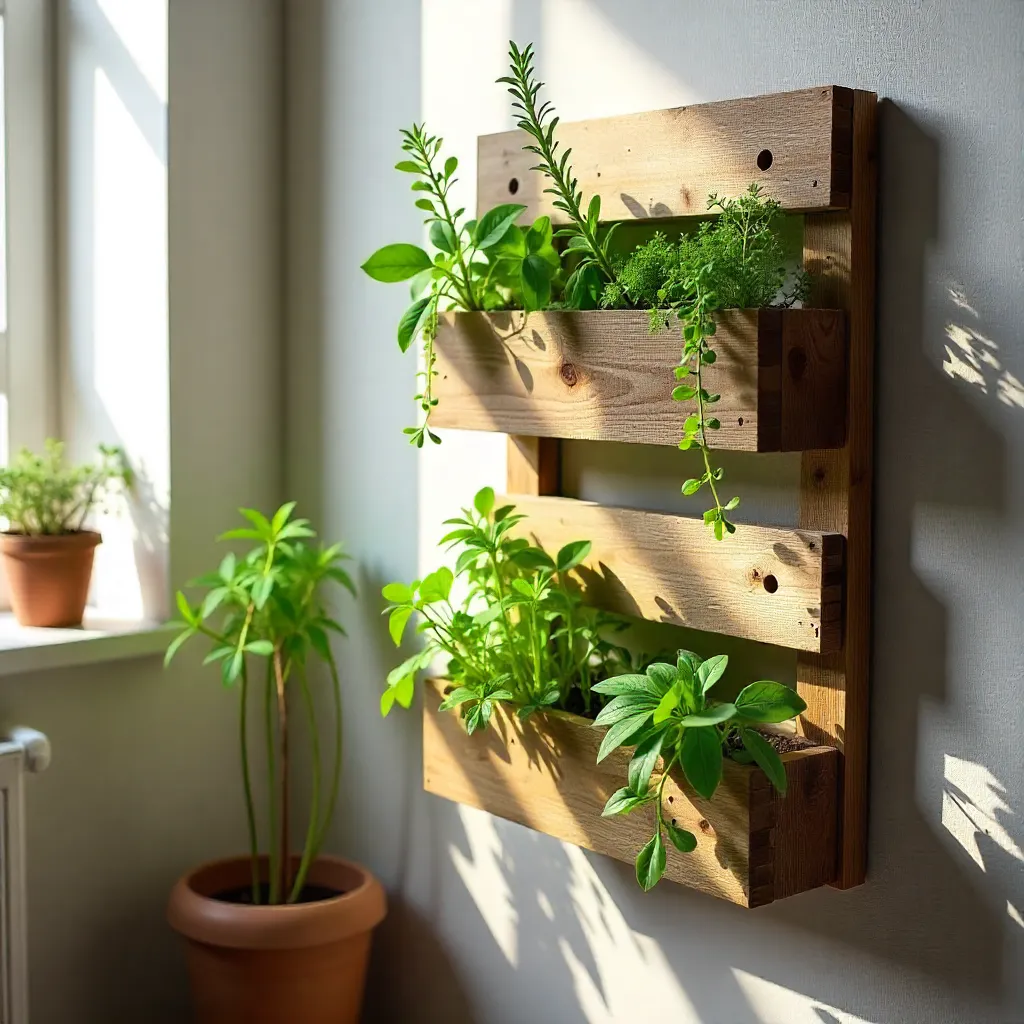
Balcony Herb Garden Setup
Transform your balcony into a productive herb garden with this comprehensive guide. Learn how to maximize vertical space and create an efficient growing system.
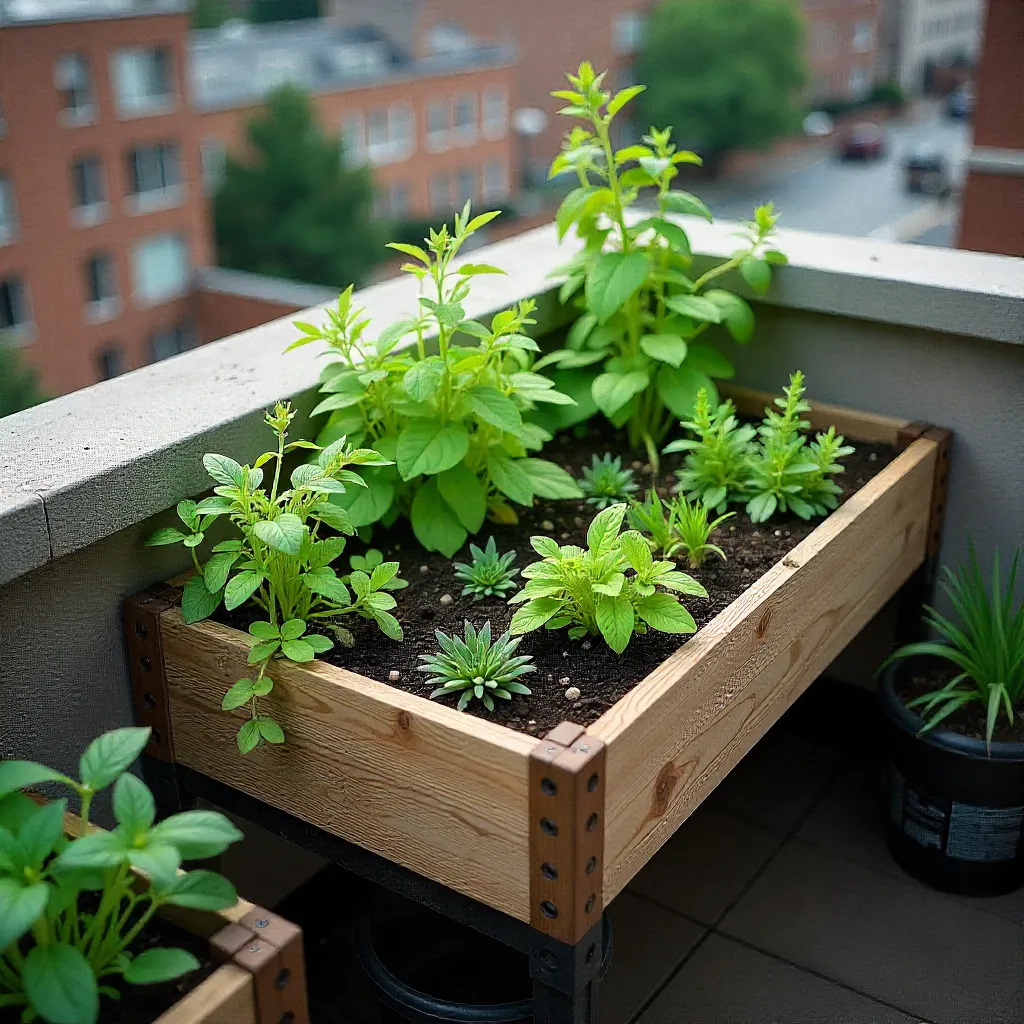
Step 1: Assess Your Space
Measure your balcony dimensions and note sunlight patterns throughout the day. Most herbs require at least 4-6 hours of direct sunlight daily.
Step 2: Choose Your Containers
Select containers with proper drainage. Stackable planters work well for vertical growing, while window boxes maximize horizontal space.
Step 3: Select Your Herbs
Start with easy-to-grow varieties like basil, mint, parsley, and chives. These herbs adapt well to container growing and provide quick harvests.
Step 4: Prepare Your Soil
Use a high-quality potting mix with good drainage. Add compost for nutrients and ensure containers have drainage holes.
Step 5: Plant and Maintain
Plant seeds or seedlings according to spacing guidelines. Water consistently, fertilize monthly, and harvest regularly to encourage growth.
Kitchen Windowsill Garden
Create a convenient herb garden right in your kitchen. Fresh herbs at your fingertips make cooking more enjoyable and flavorful.
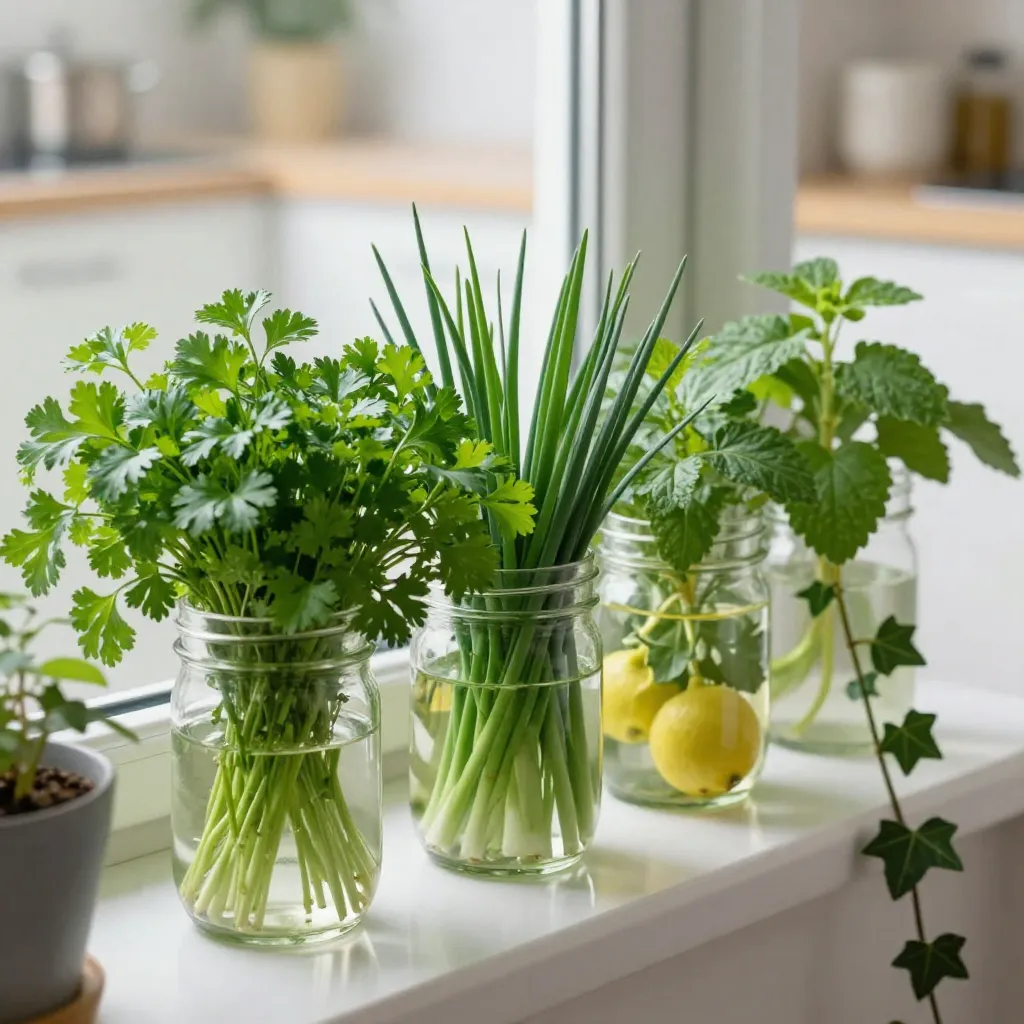
Step 1: Choose the Right Window
Select a south-facing window that receives bright, indirect light for most of the day. East or west-facing windows also work well.
Step 2: Select Appropriate Containers
Use shallow containers that fit your windowsill. Consider using matching pots for a cohesive look, or mix different sizes for visual interest.
Step 3: Pick Compact Herbs
Choose herbs that stay compact: thyme, oregano, rosemary, and small basil varieties. Avoid herbs that grow too tall or spread widely.
Step 4: Set Up Proper Drainage
Place saucers under containers to catch water. Ensure pots have drainage holes to prevent root rot.
Step 5: Maintain Regular Care
Water when soil feels dry to touch. Rotate containers weekly for even growth. Pinch back flowers to encourage leaf production.
Vertical Garden System
Maximize your growing space with vertical garden systems. Perfect for apartments and small homes where floor space is limited.
Step 1: Choose Your System
Select from wall-mounted planters, hanging pocket systems, or freestanding vertical towers. Consider your wall space and weight capacity.
Step 2: Plan Your Layout
Arrange taller herbs at the top and trailing varieties at the bottom. Group herbs with similar water and light needs together.
Step 3: Install Proper Support
Ensure your wall or structure can support the weight of containers, soil, and plants when fully watered. Use appropriate mounting hardware.
Step 4: Set Up Irrigation
Consider a drip irrigation system or self-watering containers to simplify maintenance. Vertical gardens dry out faster than ground-level gardens.
Step 5: Monitor and Adjust
Check moisture levels regularly. Upper containers may need more frequent watering. Adjust positioning based on plant growth and health.
Pro Tips for Success
Light Management
Most herbs need 4-6 hours of sunlight. Use grow lights if natural light is insufficient, especially during winter months.
Watering Wisdom
Water when the top inch of soil is dry. Overwatering is more harmful than underwatering. Use your finger to test soil moisture.
Harvest Regularly
Regular harvesting encourages bushier growth. Cut from the top, leaving lower leaves to continue photosynthesis.